
Fundamentals
Retrieval Augmented Generation enhances LLMs with external knowledge for more accurate, contextual question answering.
read more

Taxonomy Management helps enterprises organize their knowledge and make information easy to find, use and analyze. Learn more!
read more
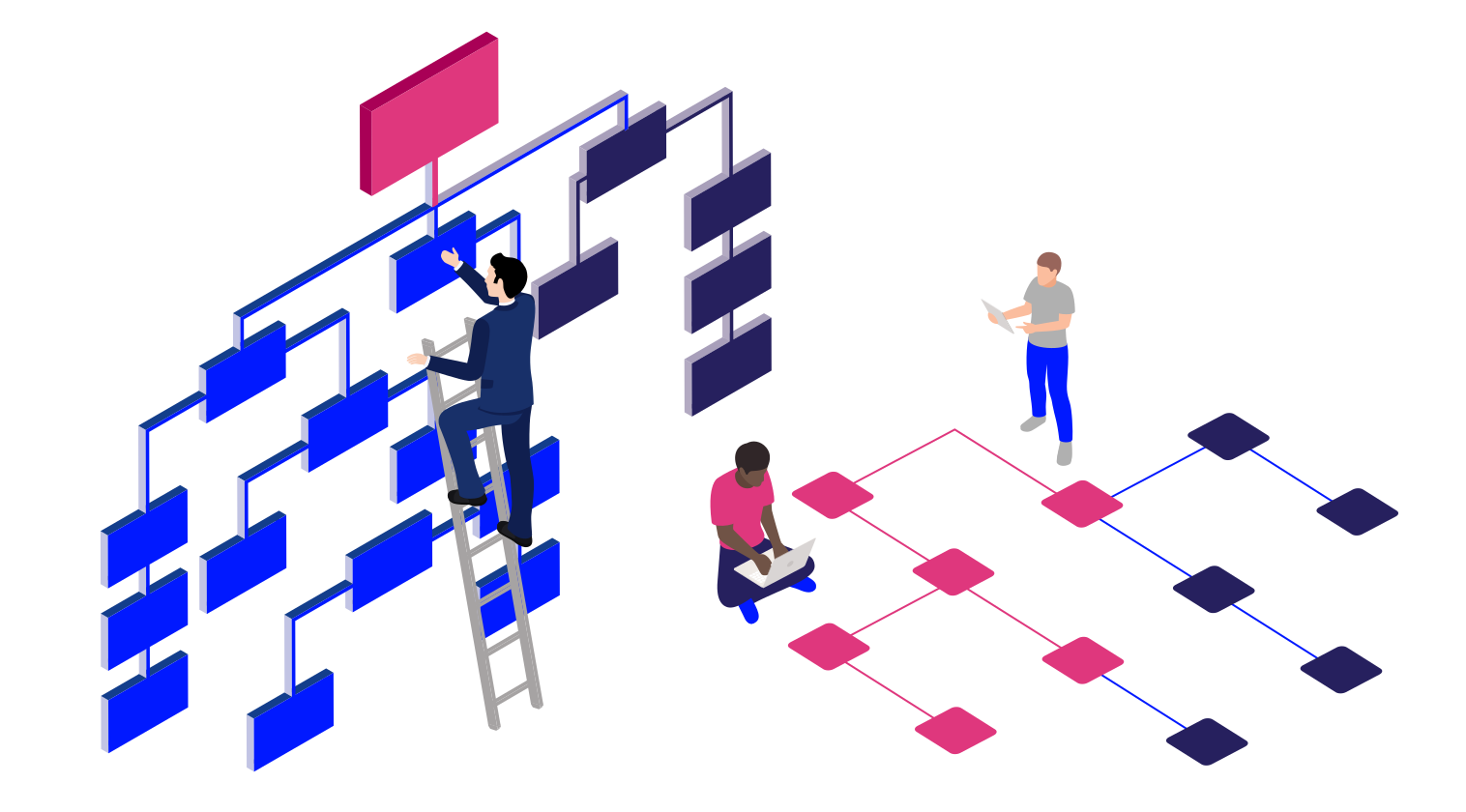
The benefits of the semantic layer in organizing and abstracting enterprise data to facilitate decision-making.
read more

Knowledge graphs are a collection of interlinked descriptions of entities that put data into context and enable data analytics & sharing.
read more
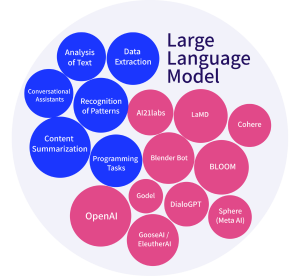
Large Language Models (LLMs) are Machine Learning models that are trained on massive datasets of text to understand, summarize, generate and predict l
read more
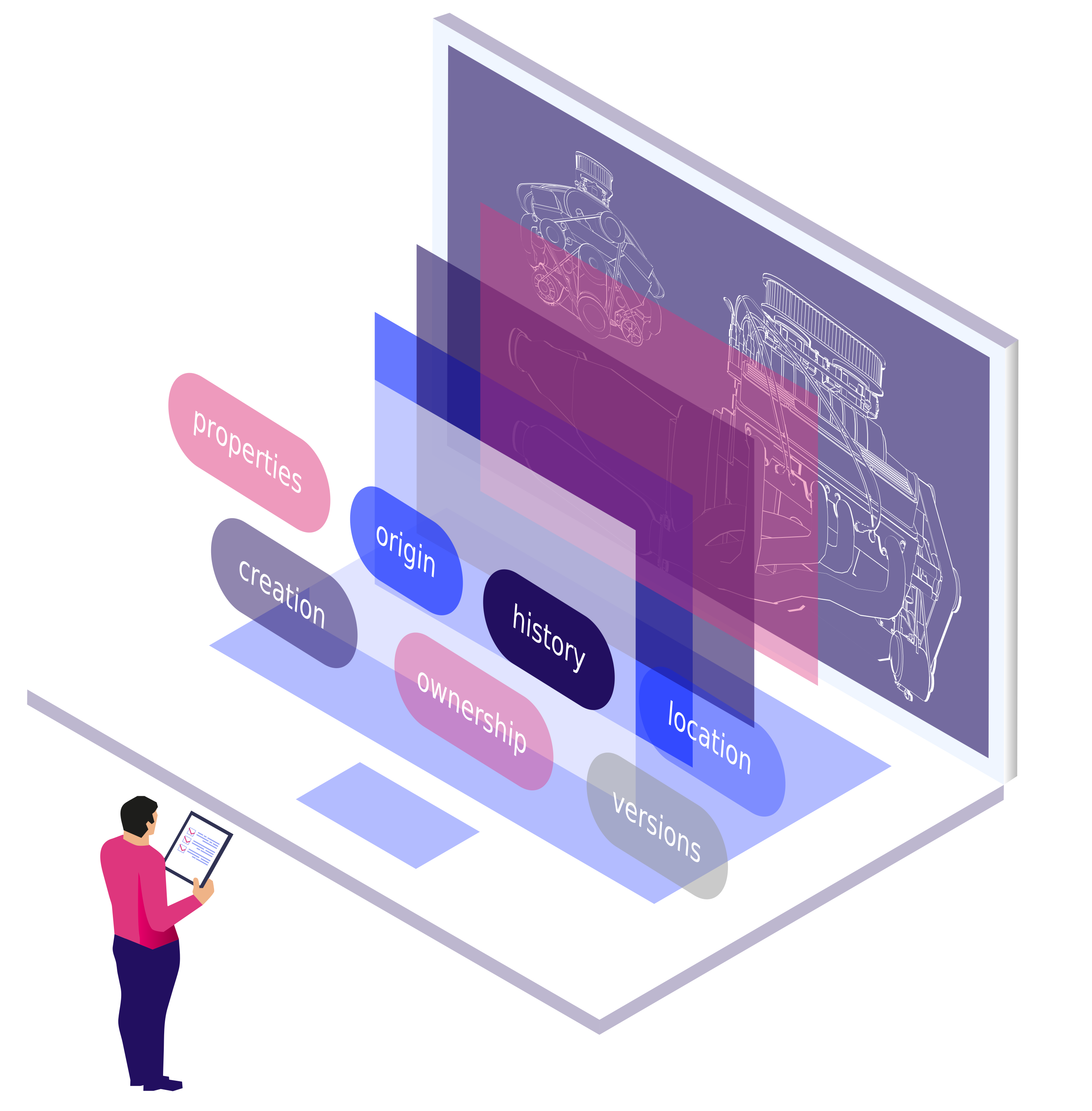
Metadata represents data about data. It enriches data with information which makes it easier to discover, use, and manage.
read more
An ontology is a rulebook defining concepts within a specific domain, their properties, and their relationships, ensuring a common understanding of in
read more
Auto Classification helps enterprises organize their knowledge and make information easy to find, use, and analyze. Learn more!
read more
Semantic text intelligence focuses on using computational methods to “understand” unstructured text, extract meaningful facts, and integrate them into
read more
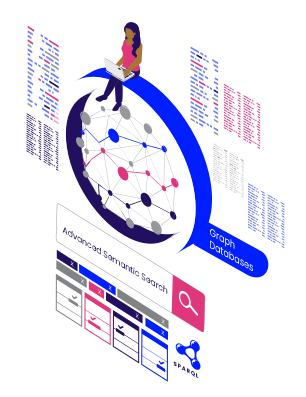
Semantic search uses knowledge graphs & text analysis to understand the intent and context behind a query, rather than just matching keywords.
read more
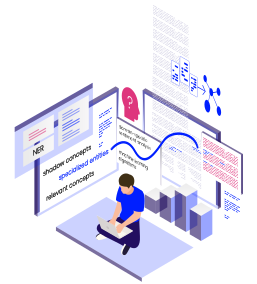
Entity linking is the process of identifying mentions of entities in text and connecting them to their unique identity in a knowledge base.
read more
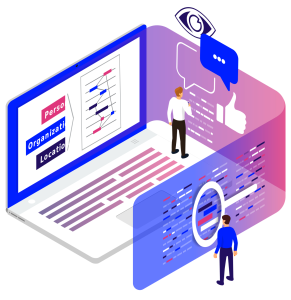
NLQ empowers users to interact and “talk” to their data by using LLMs to bridge the gap between human questions and complex databases.
read more
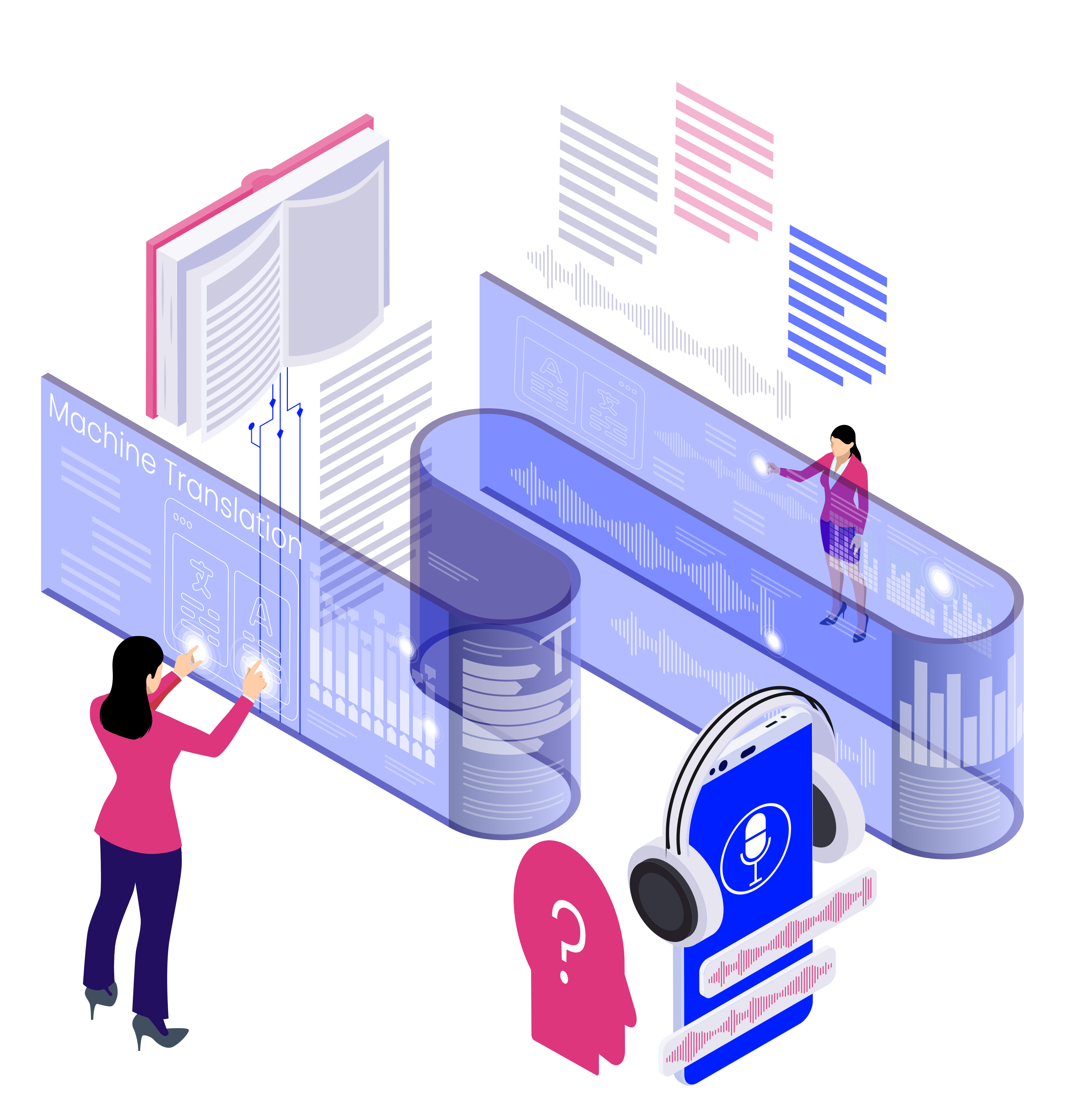
The Semantic Web and Semantic Technology aim at a machine-readable internet where data is interconnected and meaningful.
read more

Data Fabric is a modern approach to data management that addresses the challenges of increasingly complex and distributed data landscapes through the
read more
Data mesh is a decentralized, domain-centric operational framework and architecture for managing data for establish better data ownership.
read more
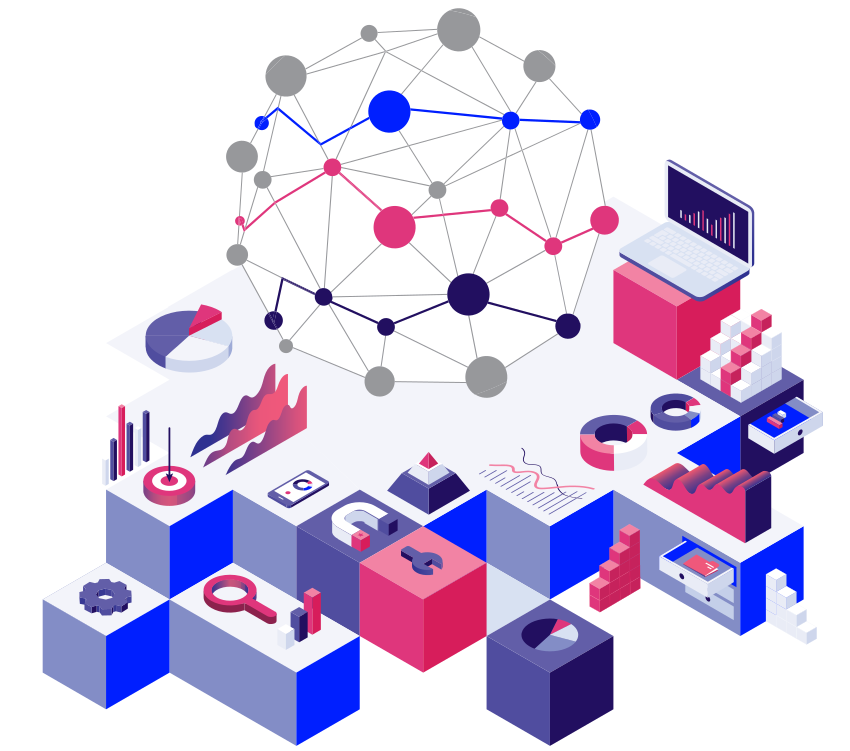
SPARQL is the standard query language and protocol for Linked Open Data on the web and RDF databases, designed by the W3C.
read more
SHACL is a W3C standard for describing conditions that a dataset must meet and a powerful tool for improving knowledge graph quality.
read more
RDF is a standard for data interchange that is used for representing highly interconnected data.
read more
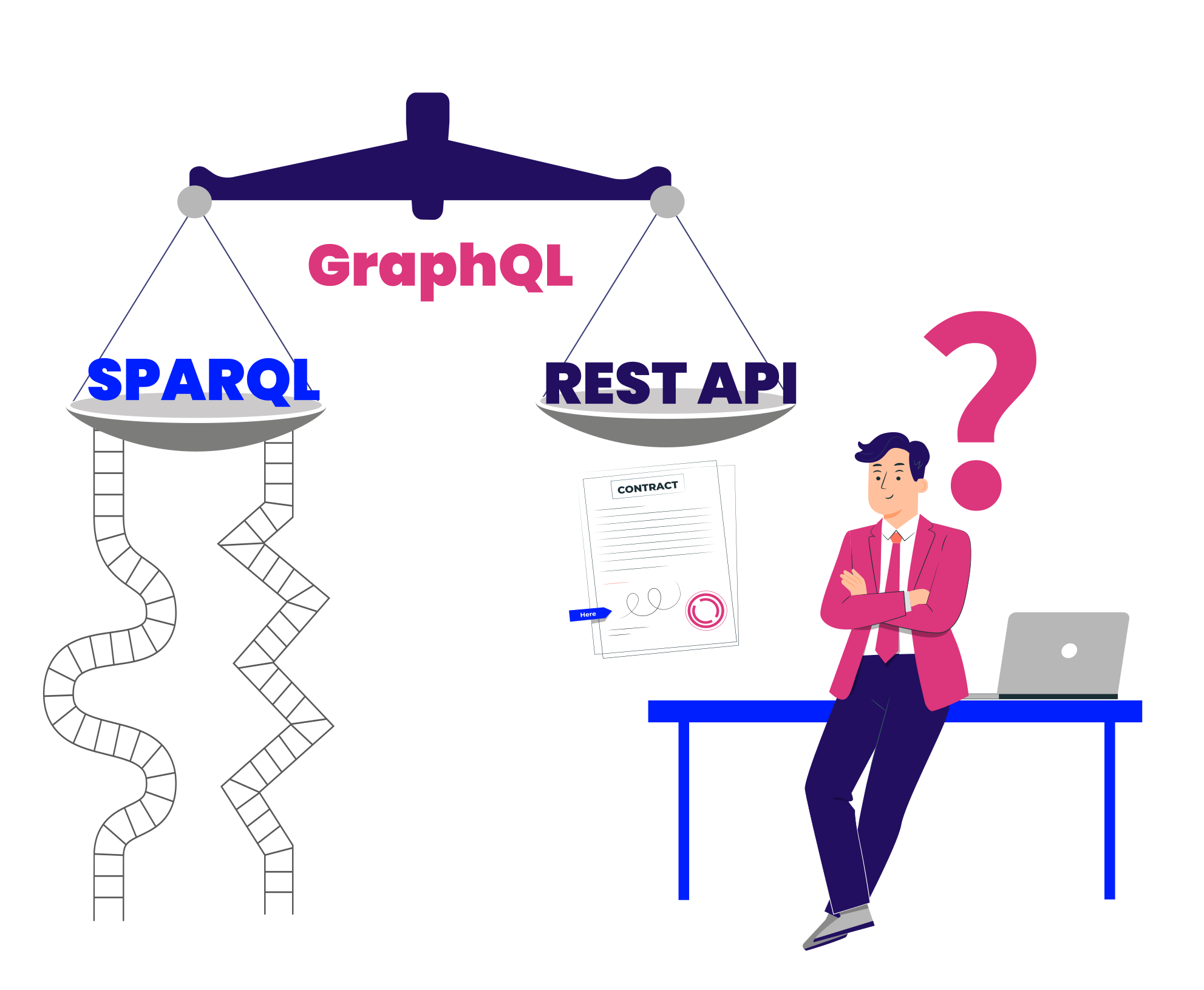
GraphQL is a powerful and flexible query language for APIs, offering a robust alternative to traditional REST approaches.
read more
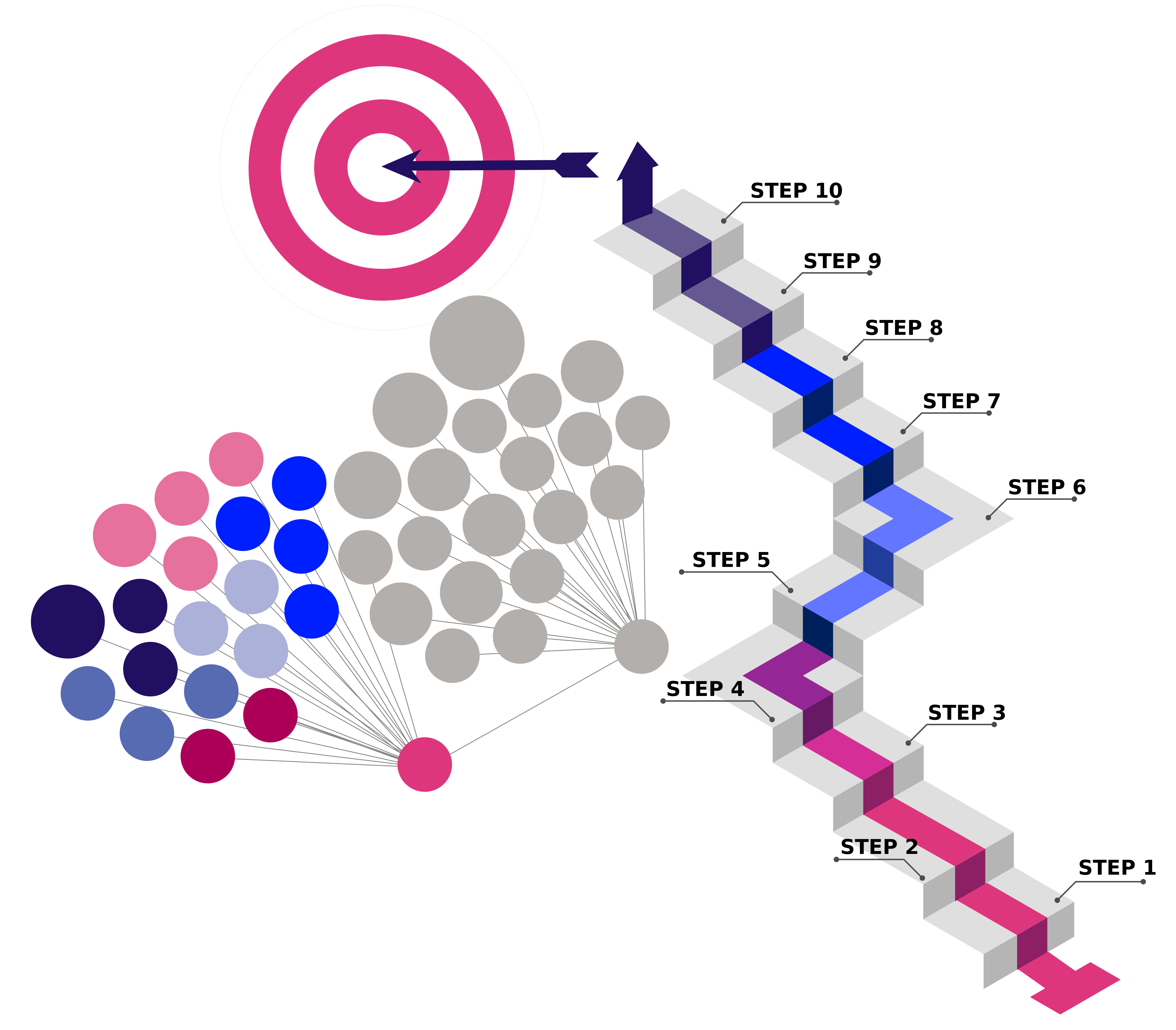
Explore how to start your journey of building knowledge graph in these 10 steps.
read more
PoolParty helps companies build a business taxonomy with ease. Learn how to get started with a taxonomy and design best practices.
read more
